Author: Ryan EisNer


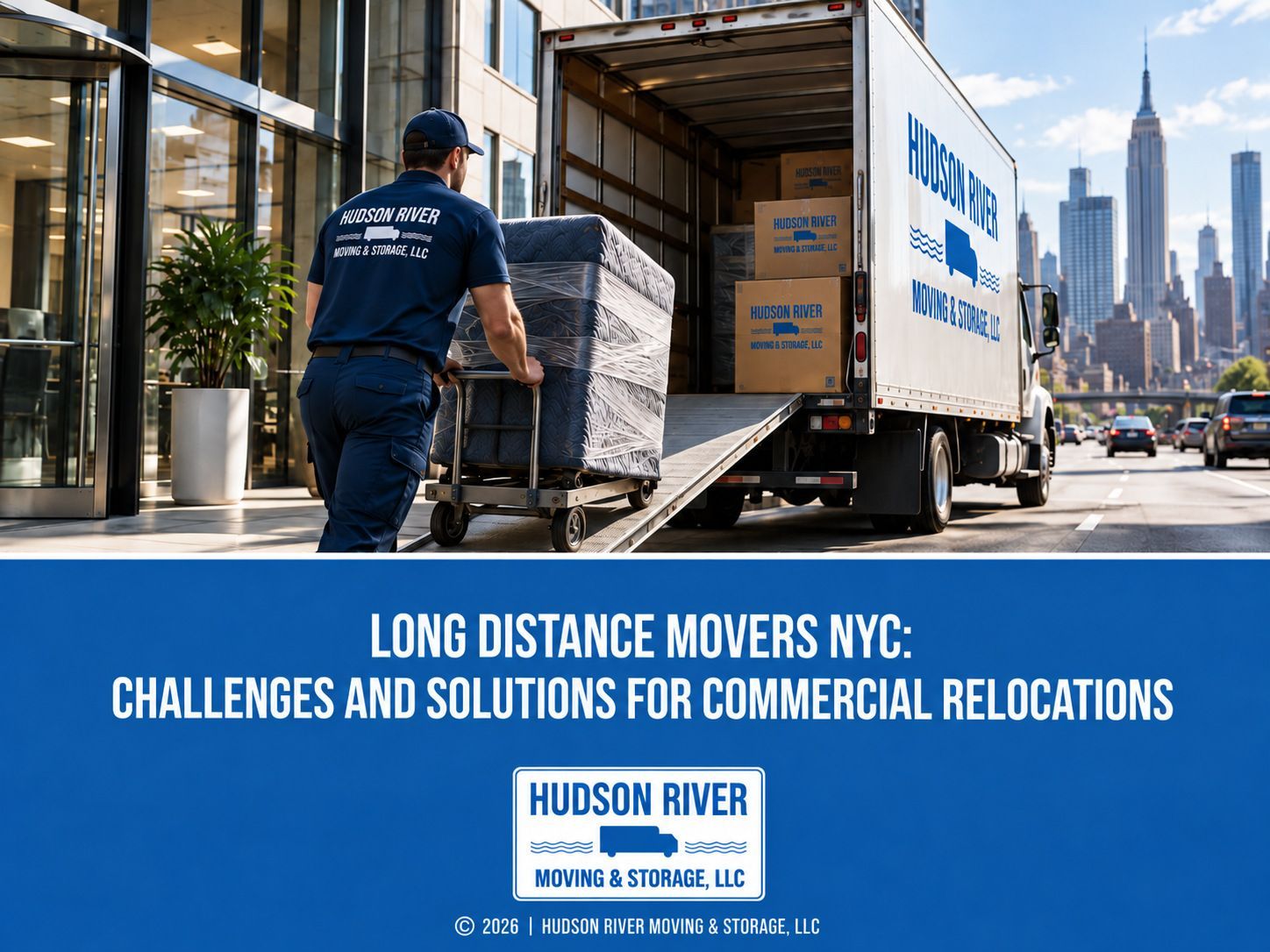
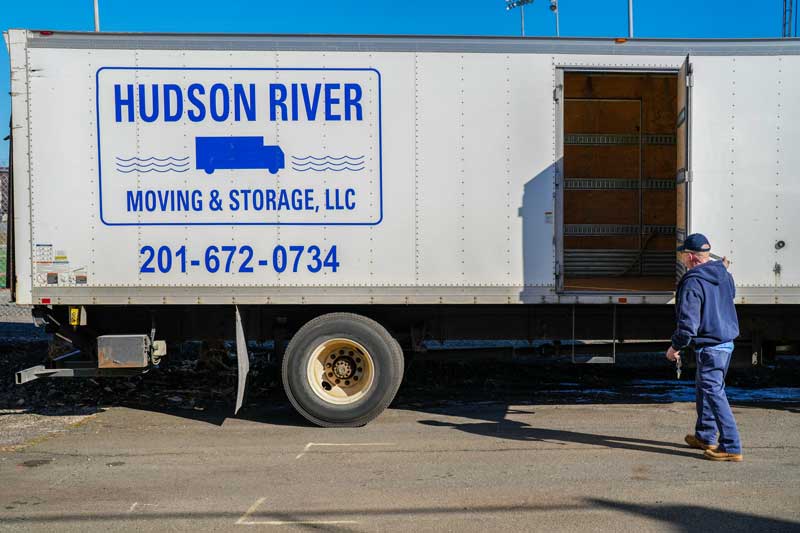
Moving a 50,000-square-foot financial services firm from Midtown Manhattan to another city isn't a logistics problem; it's a commercial moving project management problem. For companies searching for reliable long-distance movers NYC enterprises trust, the gap between a general carrier and a purpose-built commercial relocation partner becomes apparent fast. Hudson River Moving & Storage, based at 501 Windsor Dr., Secaucus, NJ 07094, has managed this category of work since 2010, from multi-floor Manhattan office cutovers to complex interstate relocations involving IT infrastructure, high-value FF&E, and zero tolerance for downtime. This guide covers the real operational challenges of long-distance commercial moves originating from New York City, and the proven solutions that separate a smooth transition from a costly one. Why Long Distance Commercial Moves from NYC Demand Specialized Long Distance Movers New York City creates a set of starting conditions that make commercial moves more operationally demanding than comparable moves in virtually any other U.S. market. That's not hyperbole; it's a function of density, building regulation, and logistics infrastructure that any experienced facilities manager already knows firsthand. The NYC Starting-Point Problem Before a single piece of equipment leaves the floor, your team is negotiating freight elevator reservation windows, satisfying building management certificate-of-insurance requirements, and scheduling loading dock access in some of the most congested corridors in the country. Midtown and Lower Manhattan buildings often designate specific freight elevator operating windows after normal business hours. Coordinating these access periods in advance is essential to keeping commercial relocations on schedule and minimizing business disruptions. Permit coordination, building management approvals, and COI submissions in NYC require advance lead time that a general long-haul carrier isn't structured to manage.
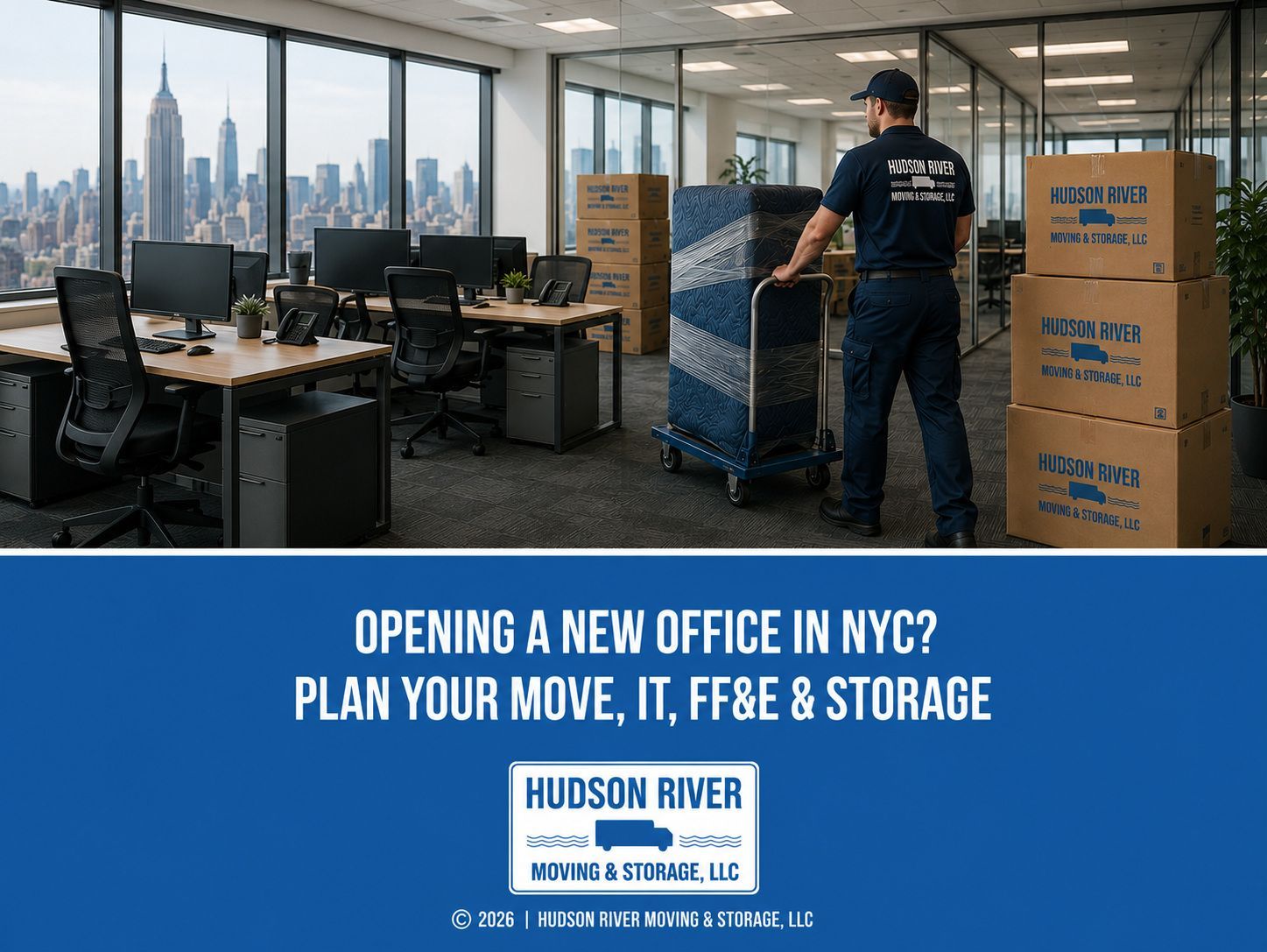
Opening a new office in NYC? Use this checklist to plan access, furniture, IT, storage, and employee readiness before opening day.

Climate-Controlled Moving and Storage Solutions for State-to-State Relocations

Laboratory relocation services in NYC made simple. Learn compliance, logistics, and how to move lab equipment safely with minimal downtime.
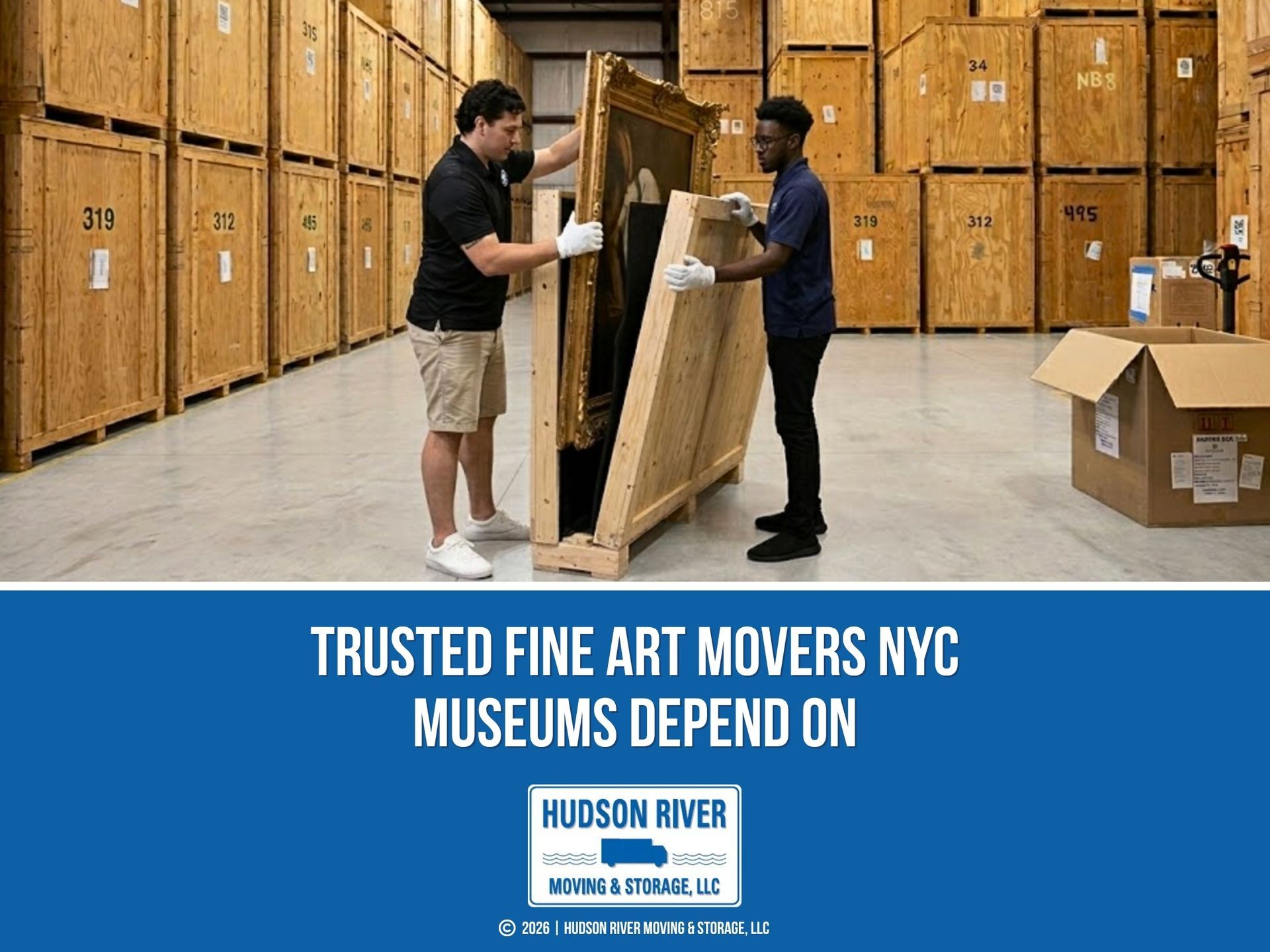
Need expert fine art movers NYC? Hudson River Moving specializes in secure, professional relocation for museums and galleries across Manhattan.
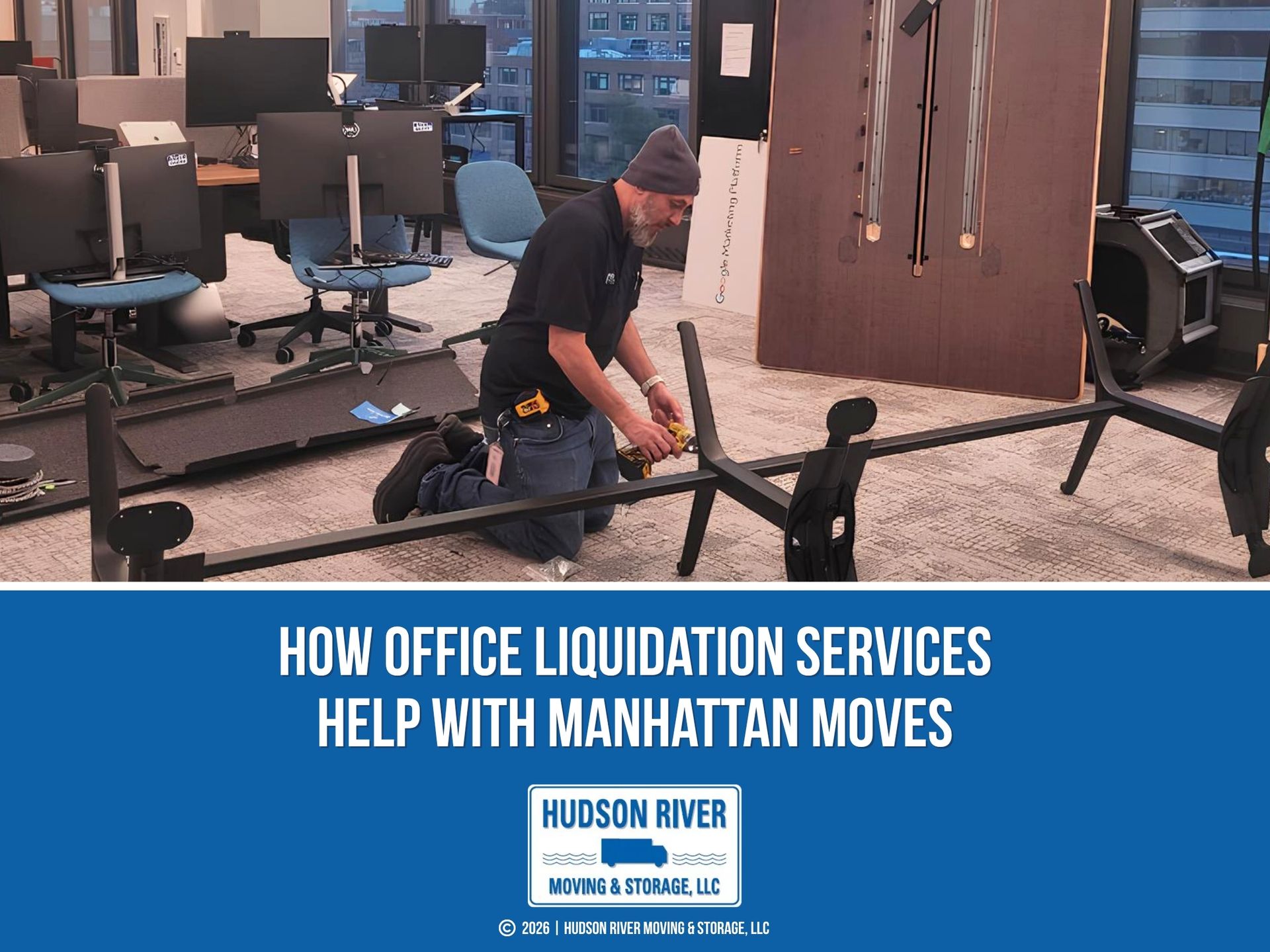
Streamline your office move with expert liquidation services. Learn how to clear space, meet lease terms, and avoid costly delays with a professional plan.
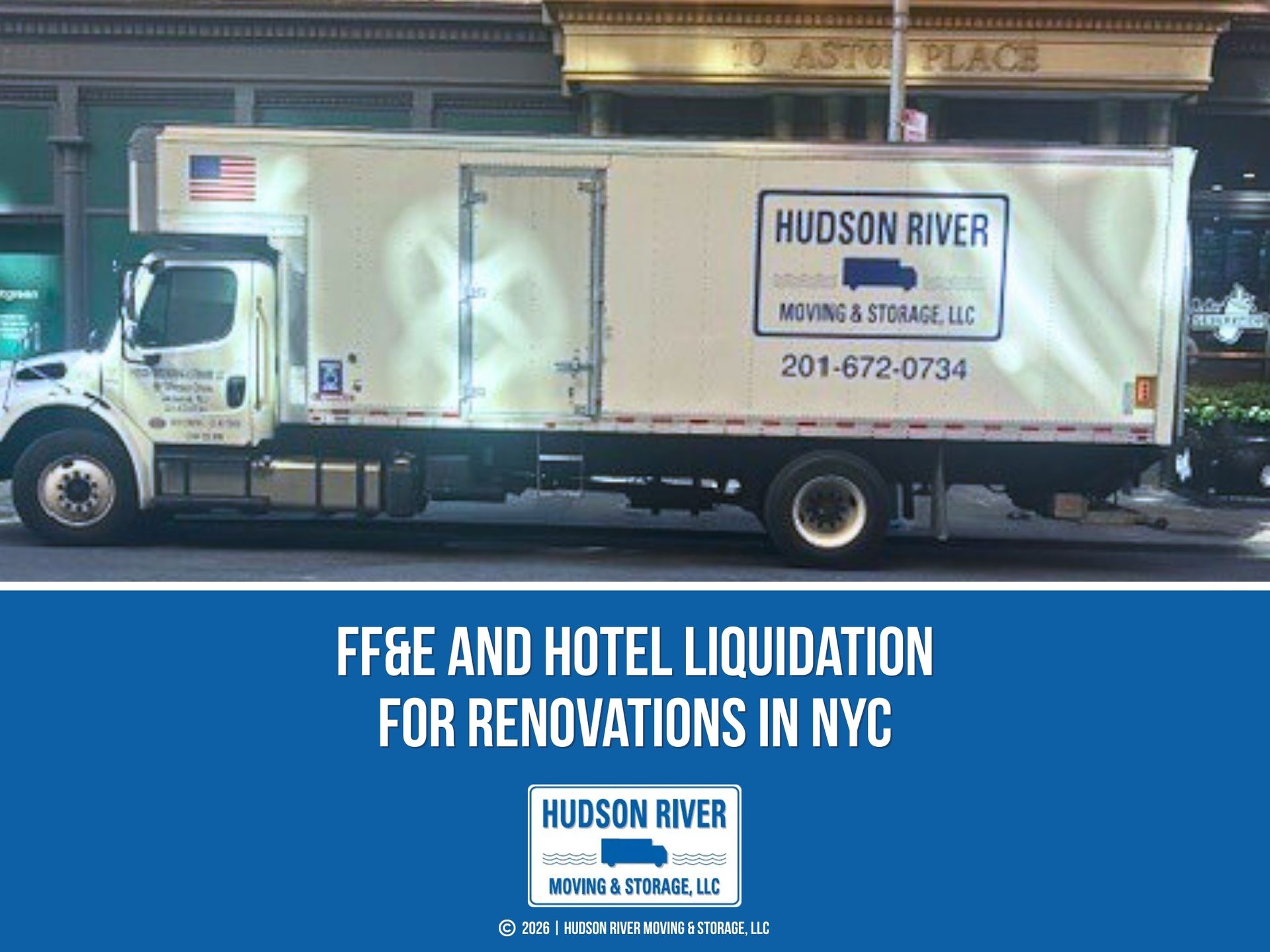
Plan your hotel renovation with expert hotel liquidation services in Manhattan. Get FF&E removal, storage, and installation from union-certified movers.
Protect sensitive data during office relocation in Manhattan. Trusted by finance firms, we ensure secure IT moves, packing, and full movement management.
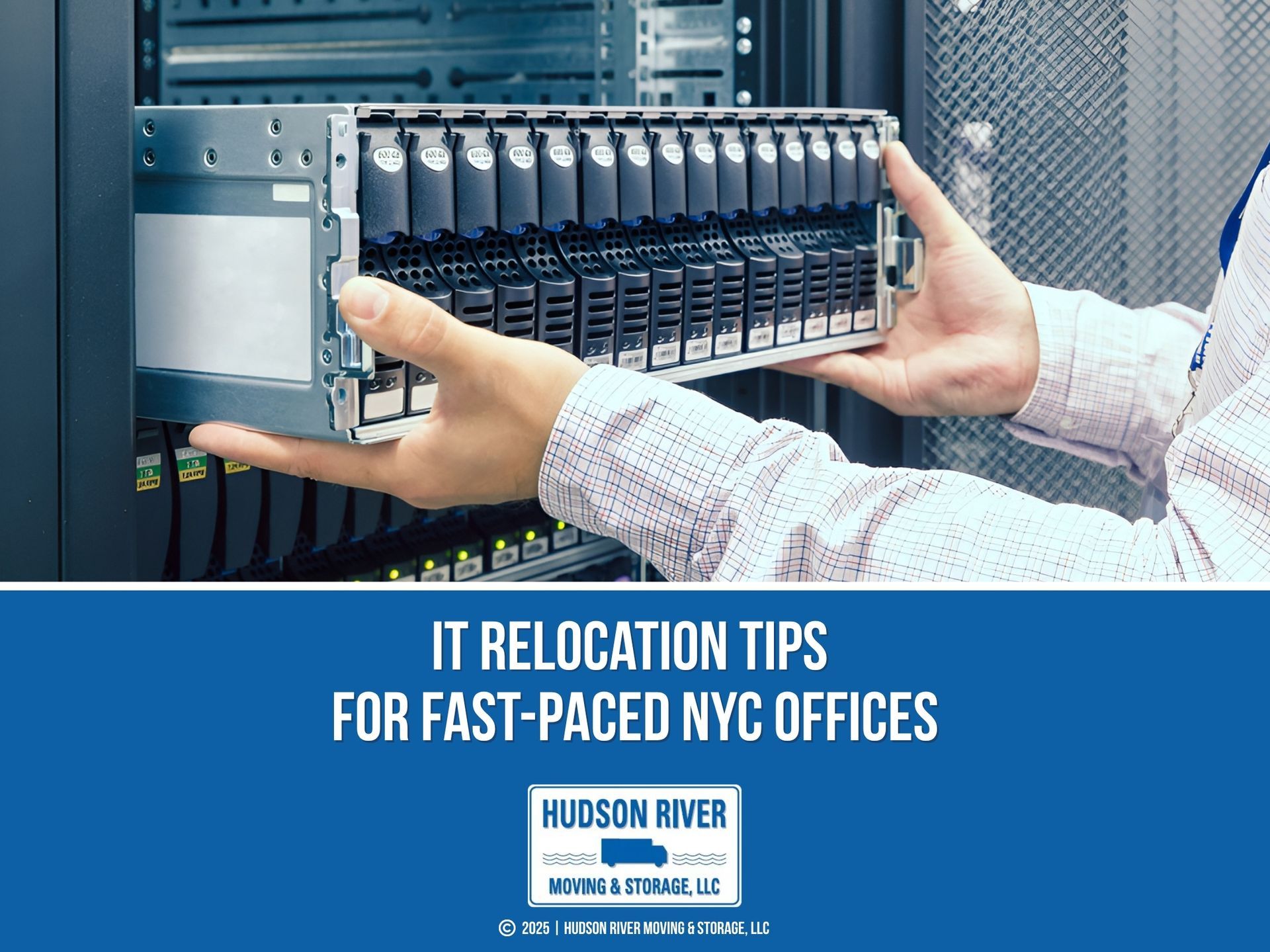
Minimize downtime and disruption during your IT relocation in NYC. Discover expert tips for moving your tech systems safely and efficiently with the help of professional corporate movers.
Trusted commercial movers for Chicago to NY/NJ. We manage high-stakes office relocations with speed, precision, and full-service project coordination.
